



Shotcrete Machine
Shotcrete Machine Manufacturer
Shotcrete machines are designed for high-efficiency concrete spraying in tunnel construction, mining, slope stabilization, hydropower, and underground engineering. Our equipment delivers stable pumping performance, low rebound, reduced dust, and reliable operation to improve construction efficiency while lowering maintenance costs. Standard and customized configurations are available for different project requirements.


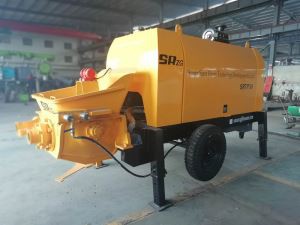


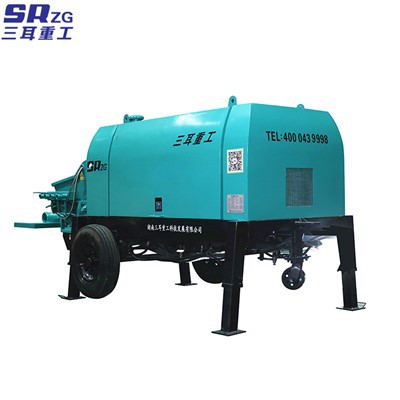


Technical Specifications
|
Item |
Specification |
|
Spraying Method |
Wet Mix / Dry Mix |
|
Power Type |
Electric / Diesel |
|
Concrete Output |
Custom Available |
|
Max. Aggregate Size |
Custom Available |
|
Delivery Pressure |
Custom Available |
|
Horizontal Conveying Distance |
Custom Available |
|
Vertical Conveying Distance |
Custom Available |
|
Control System |
Manual / Remote Control |
|
Applications |
Tunnel, Mining, Slope, Hydropower, Underground Construction |
Key Features
High Pumping Efficiency
Stable concrete delivery ensures continuous spraying and improves construction productivity.
01
Low Rebound Technology
Optimized spraying performance reduces material waste while improving concrete adhesion.
02
Reduced Dust Emission
Wet-mix spraying effectively minimizes airborne dust and creates a safer working environment.
03
Durable Wear-Resistant Components
High-strength wear parts and optimized hydraulic systems extend equipment service life.
04
Strong Jobsite Adaptability
Suitable for tunnels, mines, underground caverns, slopes, and other demanding construction environments.
05
Standard Shotcrete Machines
Wet Spray Pump Machine
Shotcrete Pump Manufacturers
Small Shotcrete Machine
Mini Shotcrete Machine
Shotcrete Spraying Machine
Wet Spray Equipment
Wet Spray Machine
Concrete Spraying Machine
Concrete Spraying Equipment
Concrete Rendering Machine
Tunnel & Mining Shotcrete Equipment
Underground Shotcrete Sprayer
Tunnel Shotcrete Equipment
Tunnel Shotcrete Machine
Mine Shotcrete Machine
Robot Arm Shotcrete Machine
Robotic Boom Shotcrete Machine
Wet Mix Shotcrete Equipment

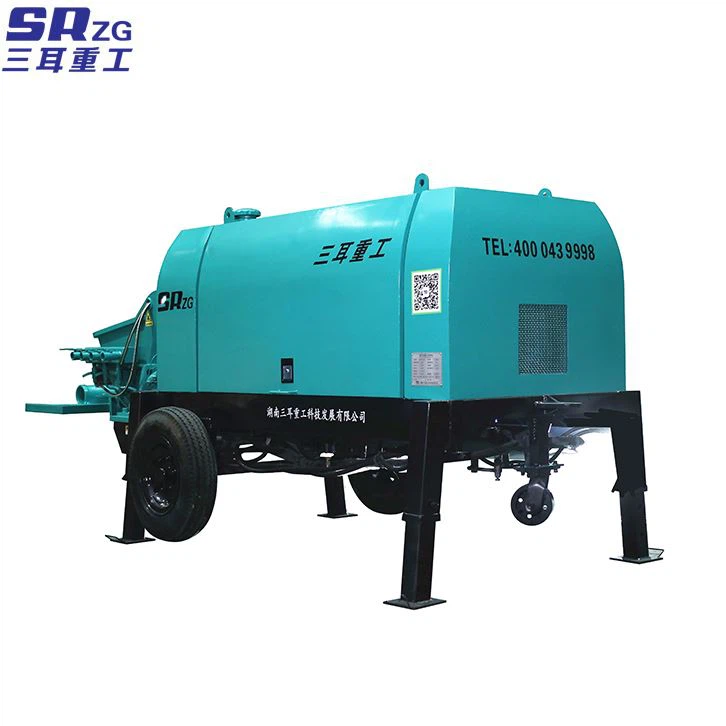
Trailer & Truck Mounted Equipment
Trailer Shotcrete Machine
Trailer Shotcrete Spraying Equipment
Truck Mounted Shotcrete Machine
Concrete Injection & Pumping Equipment
Concrete Injection Devices
Concrete Injector Pump
Concrete Injection Equipment
Concrete Plaster Pump
Concrete Sealer Pump
Concrete Cure And Seal Spray Machine
Concrete Stucco Sprayer
Compact Spraying Equipment
Small Gunite Machine
Shotcrete vs. Traditional Cast-in-Place Concrete
|
Comparison Item |
Shotcrete Construction |
Traditional Cast-in-Place Concrete |
|
Construction Speed |
Fast continuous spraying |
Slower multi-step construction |
|
Formwork |
Minimal or no formwork |
Extensive formwork required |
|
Labor Requirement |
Lower manpower demand |
Higher labor requirement |
|
Accessibility |
Suitable for confined and irregular spaces |
Limited accessibility |
|
Surface Adhesion |
Excellent for vertical and overhead spraying |
Limited by gravity |
|
Construction Flexibility |
Highly adaptable |
Less flexible |
|
Safety |
Remote operation available |
More workers on site |
|
Maintenance & Repair |
Ideal for rehabilitation projects |
More difficult for repairs |
|
Tunnel Construction |
Preferred support solution |
Generally unsuitable |
|
Overall Productivity |
Higher efficiency |
Lower productivity |
Custom Manufacturing
We provide customized shotcrete equipment to match different construction environments and project requirements
Wet-mix or dry-mix systems
Electric or diesel power
Pumping capacity
Hopper capacity
Hydraulic configuration
Voltage and electrical standards
Remote control system
OEM branding and color customization
15+ Years of Manufacturing Experience
Established in 2010, specializing in tunnel, mining, and underground construction machinery.
10,000 m² Manufacturing Facility
Modern production base equipped with advanced machining and assembly equipment.
ISO 9001 Certified Manufacturing
Production follows the ISO 9001 Quality Management System to ensure consistent quality.
20+ National Patents
Holder of 4 invention patents and 16 utility model patents, including patented dual-nozzle technologies.
Strict Quality Control
Every machine is inspected throughout production and undergoes comprehensive factory testing before shipment.
National High-Tech Enterprise
Recognized as a National High-Tech Enterprise and awarded Hunan Provincial "Little Giant" Enterprise in 2023.
Global Technical Support
Remote assistance, commissioning guidance, operator training, spare parts supply, and overseas engineering support.
Packaging & Logistics
MOQ
Flexible order quantity based on machine model and customization requirements.
Lead Time
Typically 15–35 working days, depending on configuration and order quantity.
OEM Service
Custom branding, colors, and nameplates are available for bulk orders.
Certifications
From factory management to export compliance, our certifications cover the entire product lifecycle.


