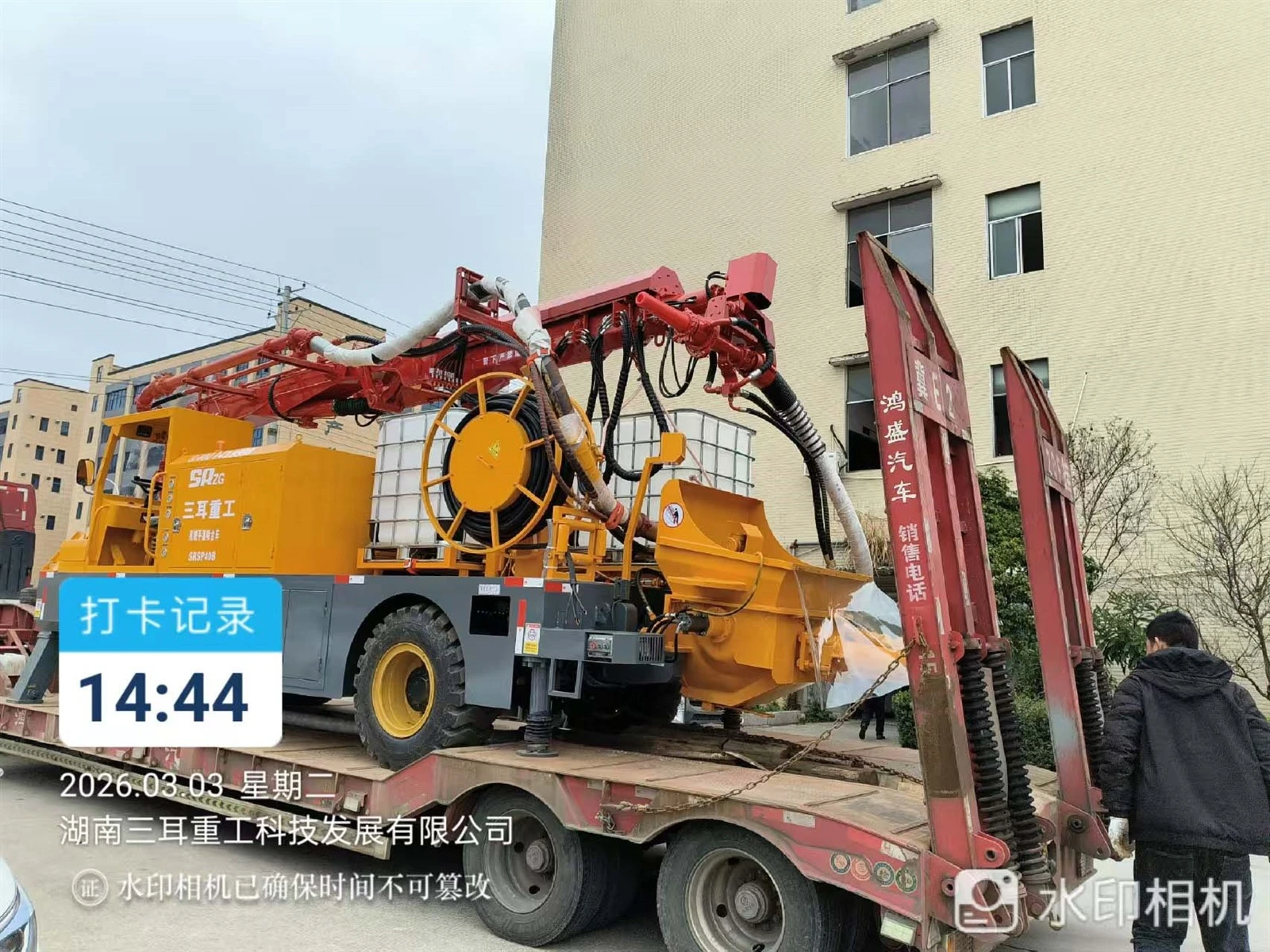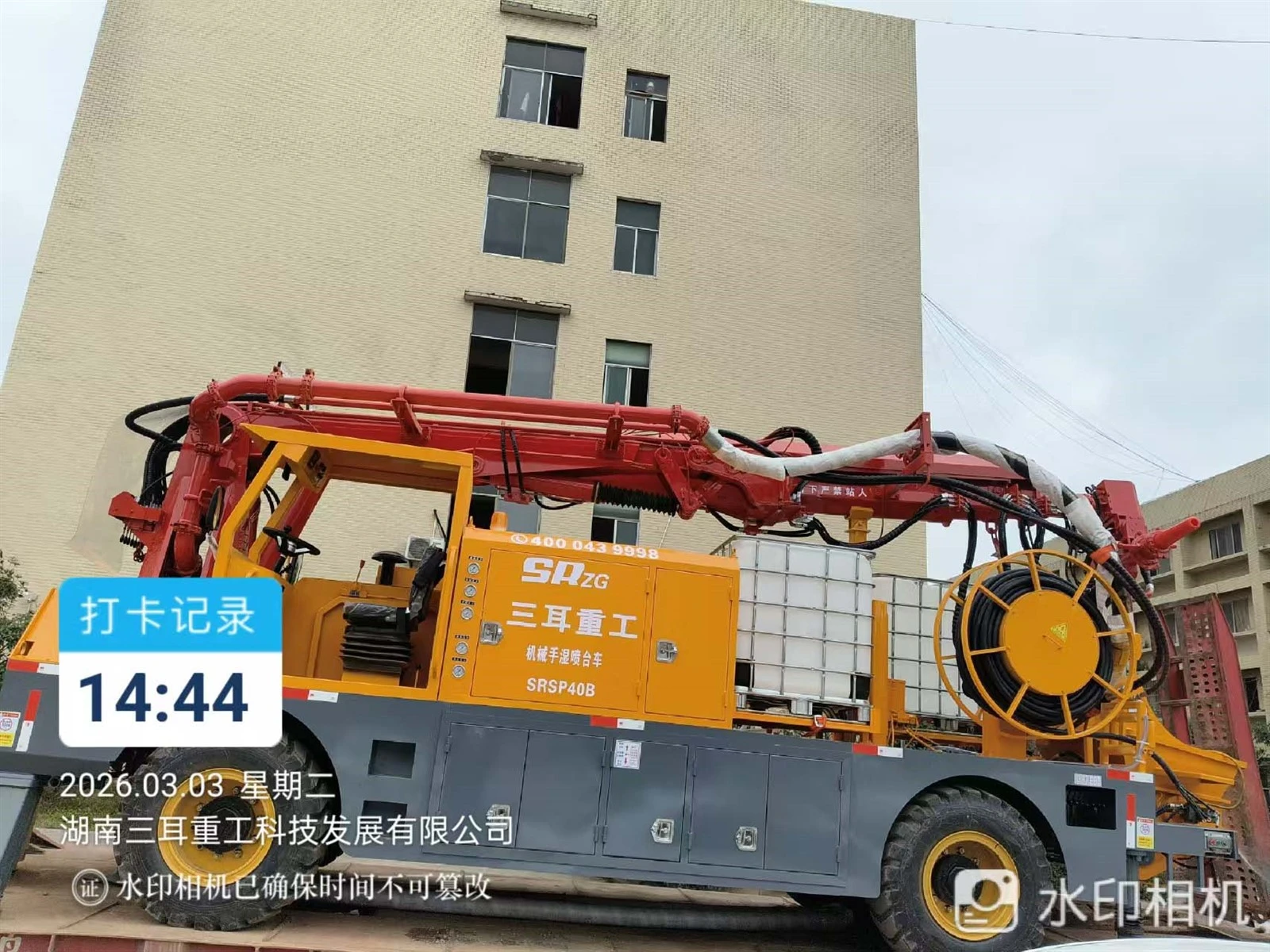
Here is a breakdown of how to manage wet shotcreting operations in cold weather, based on industry best practices.
🛠️ Protecting the Machine & Equipment
The primary goal here is to prevent water and wet materials from freezing within the machine's components, which can cause blockages, malfunctions, or even physical damage.
Pre-Heat and Insulate: Before starting, pre-heat the machine if possible. Insulate the spray hose and nozzle, or better yet, use electrically heated hoses designed for cold weather to prevent the mix from freezing during transport.
Drain Down After Use: This is the most critical step for machine longevity. After each use, thoroughly drain the pump, all hoses, and any other components to remove any remaining water that could freeze, expand, and crack the equipment.
Check Fluids and Batteries: Use hydraulic oils and lubricants with the correct viscosity for low temperatures, as standard grades can thicken and cause poor performance. Also, pay special attention to batteries, as cold weather significantly reduces their cranking power. Keep them charged and consider using battery heaters.
🧪 Adjusting the Shotcrete Mix Design
The chemical reaction that makes concrete harden (hydration) slows down dramatically in the cold. The mix itself must be adjusted to compensate.
Use Heated Materials: The water and aggregates used in the mix should be stored in a heated area or warmed before mixing. Using warm (but not hot) mixing water is one of the most effective ways to ensure the shotcrete is at the proper temperature when it enters the pump.
Incorporate Cold-Weather Admixtures:
Accelerators: Use accelerators specifically designed for cold weather to speed up the setting and hardening process, counteracting the slowing effects of low temperatures.
Antifreeze Admixtures: In extreme cold, consider using special antifreeze admixtures to lower the freezing point of the water in the mix.
Store Materials Properly: Keep bags of cement and pre-mixed aggregates in a heated, dry space to prevent them from absorbing moisture and freezing into clumps.
🏗️ Managing Application and Curing On-Site
Once the mix is ready and the machine is prepared, the conditions at the job site are paramount for a successful application.
Follow Temperature Guidelines: Industry standards, such as those from the American Concrete Institute (ACI), provide clear rules of thumb:
The surface you are spraying onto must be above freezing (32°F / 0°C). Never apply shotcrete to frozen ground, rock, or other surfaces.
The temperature of the shotcrete material itself should be no less than 50°F (10°C) when it is sprayed .
A common rule is to proceed with spraying when the ambient air temperature is 40°F (4°C) and rising, and to stop when it is 40°F and falling, unless protective measures are in place.
Create a Protective Environment:
Windbreaks: Use tarps or screens to shield the application area from strong, cold winds, which can chill the mix and cause uneven spraying.
Heated Enclosures: For critical work, construct temporary shelters (e.g., using wood and polyethylene sheets) around the work area and use heaters to maintain a stable, above-freezing temperature for both application and initial curing.
Post-Application Curing: The work isn't over once the concrete is on the wall.
Use Curing Blankets: Immediately after placement, cover the fresh shotcrete with insulating blankets or use heated enclosures to prevent the surface from freezing. This allows the hydration process to continue and the concrete to gain strength.
Monitor Temperature: Use infrared thermometers to regularly check the temperature of the in-place shotcrete. It must be kept above 40°F (4°C) for the required curing period.
Manage Cooling: When it's time to remove the blankets or heat, do so gradually to prevent thermal shock. A rapid drop in temperature can cause the shotcrete to crack.
⚠️ A Critical Safety Note
When operating heavy machinery in snow and ice, safety for personnel is paramount. This includes ensuring the machine has proper traction, keeping walkways clear of ice, and providing workers with appropriate thermal clothing to prevent cold stress.
We hope this detailed guide helps you prepare for your project. If you are working with a specific machine model, We might be able to find its manufacturer's specific cold-weather recommendations.