



Mortar Spraying Machine Price
Hunan Saner Heavy Industry Technology Development Co.,Ltd.
Hunan Saner Heavy Industry Technology Development Co.,LTD. was founded in 2010, and it is a collection of engineering machinery R&D, production, sales high-tech enterprise. Our factory is located in scenic Sany matching industrial park, state-level economic development zone, Loudi city, Hunan province Where the transportation is convenient, covers an area of 10000 square meters. Currently, we have four branch: Hunan Saner machinery company, Hunan Saner trade company, Hunan Saner maintenance company and Hunan Saner lease company.
| MODEL: SR70U/V6 | ||||||
| Max theoretic output | 0.7m³/h | |||||
| Max theoretic pumping pressure | 3Mpa | |||||
| Hydraulic system | Double pump & double circuit opening | |||||
| Main oil pump displacement | 80ml/r(kawasaki) | |||||
| Power supply | Electic Motor | |||||
| Voltage | 380V | |||||
| Engine power | 4.4KW | |||||
| Distribution valve type | S pipe valve | |||||
| Cement mortar conveying cylinder bore/stroke | / | |||||
| Oil tank volume | 200L | |||||
| Max aggregate size | 8mm | |||||
| Mix Hopper Volume | 115L | |||||
| Feeding height | 700mm | |||||
| Air cpmpressment displacement & pressure | 300L/min,8Bar | |||||
| Max theoretic delivery vertical distance | 20m | |||||
| Max theoretic delivery horizontal distance | 40m | |||||
| Operation style | wired or wireless remote control | |||||
| The radiator cooling type | Air cooling system | |||||
| Hydraulic pump type | Ram pump | |||||
| Outer dimensions(L*W*H) | 2130×630×850mm | |||||
| Total weight | 150 kg | |||||
Why Choose Us
Quality assurance
We perform strictly according to the ISO9001 quality system in the whole process.
Good service
We are doing everything to offer our customers with best services and best products .
Reasonable price
The price is reasonable and will bring you different surprises .
Fast delivery
The delivery speed is fast, and the delivery will be sorted out for you as soon as the order is placed.

Cement Mortar Spraying Machine
The mortar pump is an engineering machine that can transport mortar to dozens of high-rise buildings. It is an automatic equipment for conveying cement, fine stones and mortar.

In the engineering construction project, a variety of different production equipments are often used. The mortar spraying machine is the first of them.
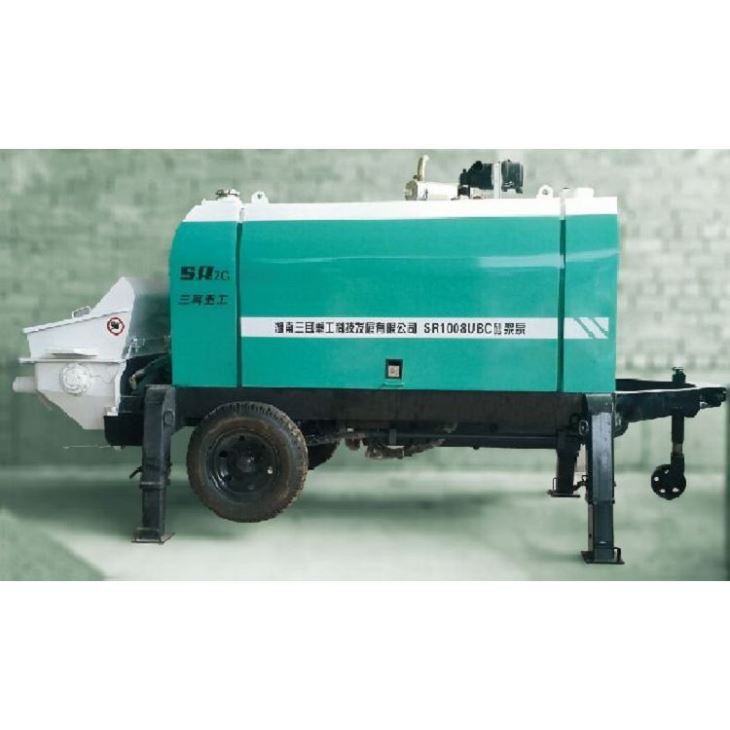
The mortar spraying machine has high working efficiency and no floor ash, which is more clean and material-saving.
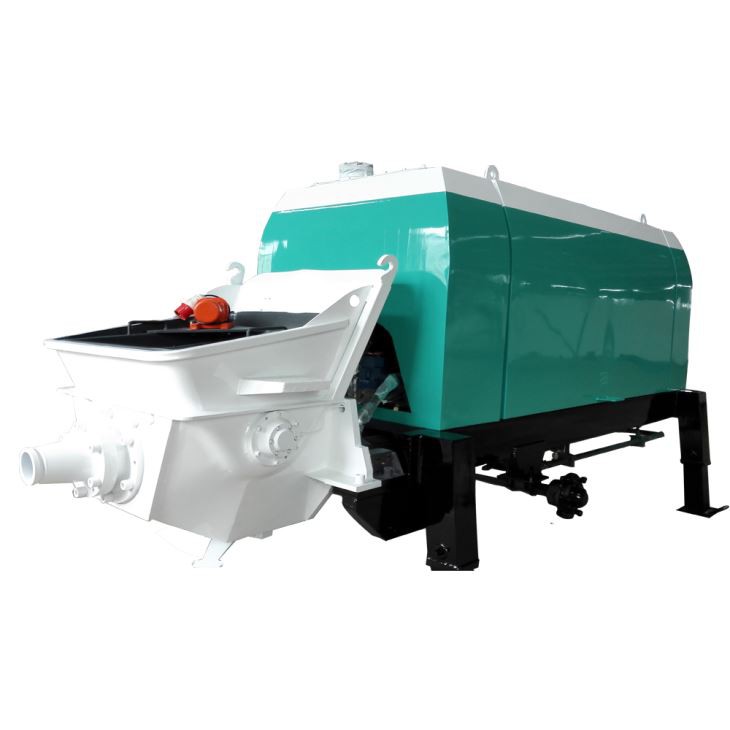
Our mortar spraying machine is suitable for all kinds of mortar spraying and conveying construction operations.
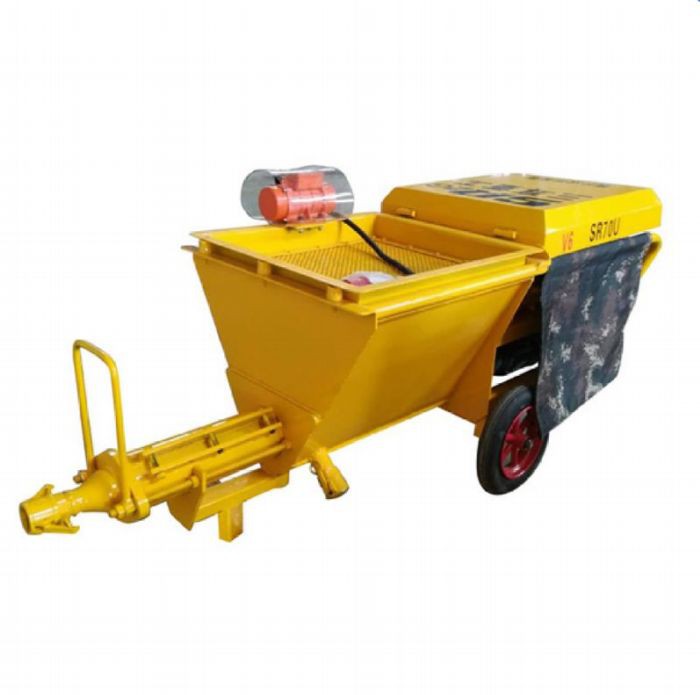
The mortar spraying machine is easy to operate and move,can spray freely, shortens the construction period, improves the progress, and saves expenses.
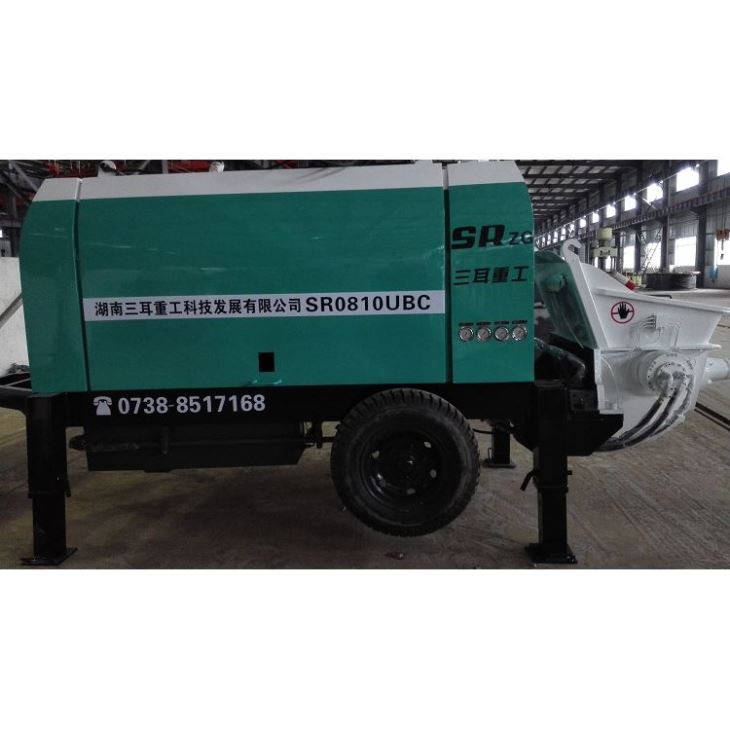
Our self-developed mortar spray pump series uses a new generation of S-tube valves for reversing, and is equipped with a floating wear ring to automatically compensate for wear.
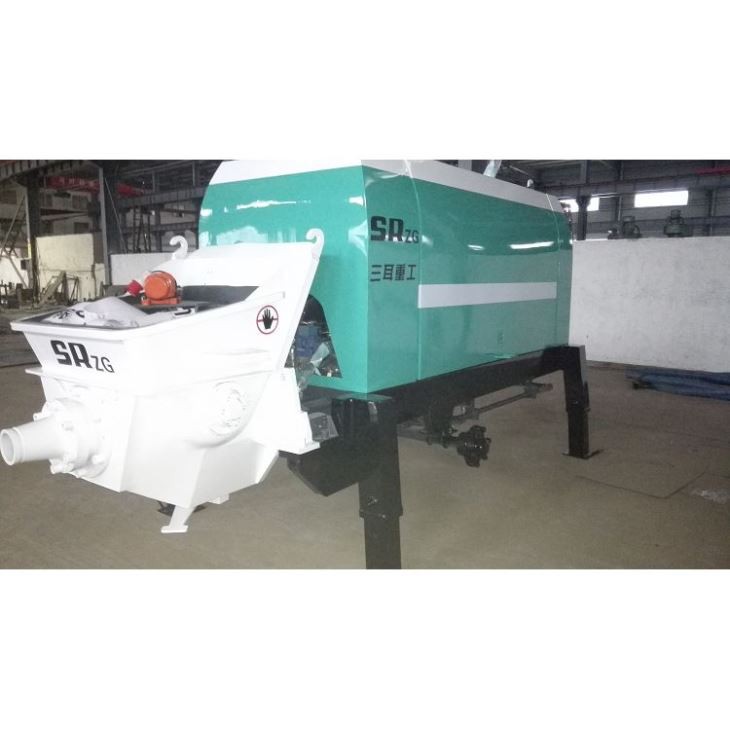
Mortar Pump and Plastering Machine
The mortar pump has the characteristics of reasonable machine structure, stable performance, convenient operation and maintenance, and long service life.
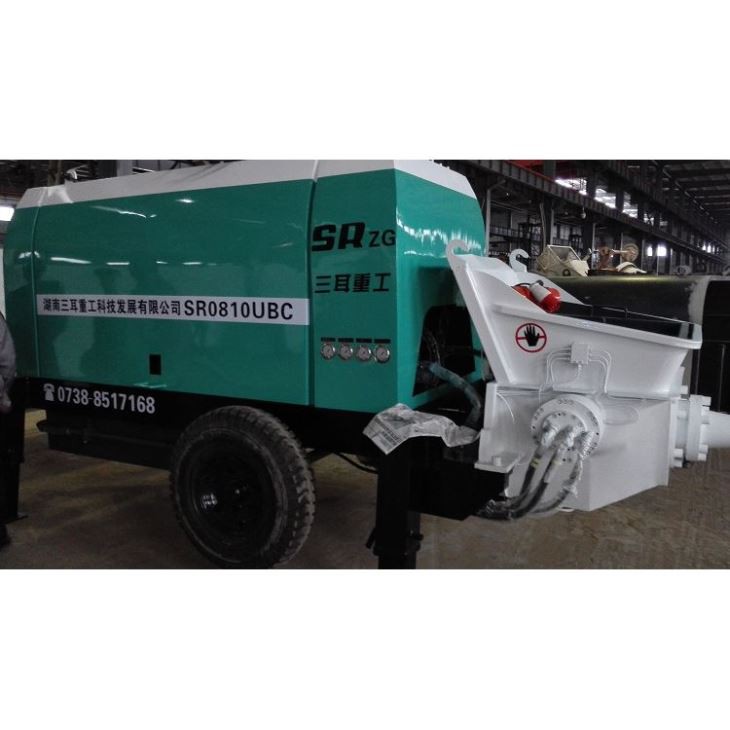
The cement mortar wall spraying machine is widely used in the construction industry because it's high efficiency, the surface of the spraying is fine and smooth, the strong adhesion and the small coating loss.
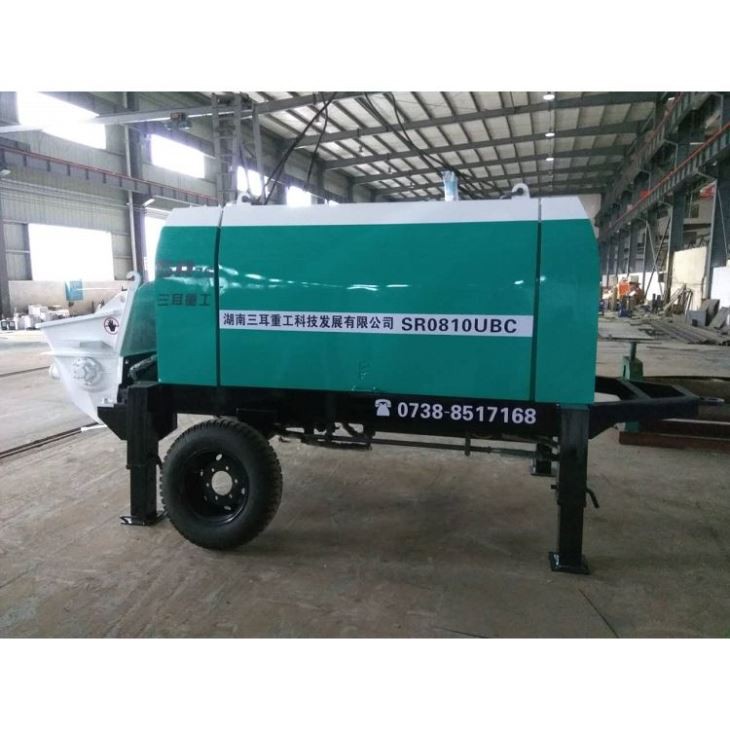
At the same time, because it can spray putty powder, refractory material, latex paint, fireproof material, it is also called multi-function spray machine.
The Mortar Spraying Machine adopts the special coating equipment of spraying technology. The principle is to control the airflow to instantly push the air distribution reversing device to reverse, so that the piston of the air motor can make stable and continuous reciprocating motion. The concrete spraying machine is suitable for reinforcement, leveling, painting and pumping. It can be used for ordinary mortar plastering, plastering plaster, thermal insulation mortar, bonding mortar, lime plastering, repairing plastering, surface ashing, bonding tiles and filling mortars for internal and external walls. You can use both ready-mixed and pre-mixed mortars at the same time. By changing the spray gun and screw pump, you can adjust the air volume and use most ordinary mortars and special mortars to achieve multiple functions in one machine, and use different materials with different mixers to achieve the integration of mixing and spraying.
Advantages of Mortar Spraying Machine
Increased efficiency
The machine's automation drastically reduces the time and effort required to apply mortar, resulting in significant time savings and faster project completion. Additionally, the uniform application of mortar ensures better bonding between bricks and stones, improving the overall structural integrity.
Improved quality
The even and consistent application of mortar by the machine ensures better bonding and a smoother finish, which translates to higher-quality structures with improved durability and longevity.
Reduced material waste
With precise control over the mortar application, the mortar spraying machine minimizes wastage of materials, leading to cost savings and a more environmentally friendly construction process.
Enhanced safety
By eliminating the need for workers to manually handle heavy mortar loads and climb scaffolding, the use of a mortar spraying machine reduces the risk of accidents and injuries on construction sites.
The basic components of a screw type mortar spraying machine include a hopper, a screw feeder, a spray gun, and an air compressor. The hopper is where the material is loaded, and it is designed to hold a large amount of material to reduce the need for frequent refills. A screw feeder is located at the bottom of the hopper, and it is responsible for transporting the material from the hopper to the spray gun. There is a spraying gun connected to the screw feeder and it is where the material is sprayed out. An air compressor is used to provide the necessary pressure to propel the material out of the spray gun and onto the surface being coated.
Screw feeder is the key component of a mortar spraying machine, and it works by using a rotating screw to transport the material from the hopper to the spray gun. The screw is typically made of a helical blade that is attached to a rotating shaft. As the screw rotates, it moves the material from the bottom of the hopper to the spray gun. The screw is designed to create a pressure gradient that forces the material through the spray gun at a controlled rate.
Speed of the screw feeder can be adjusted to control the rate at which the material is sprayed. This is important because different materials have different properties, such as viscosity and density, which can affect the spraying rate. By adjusting the speed of the screw feeder, the user can ensure that the material is sprayed at the optimal rate for the specific material being used.
The spray gun is designed to atomize the material as it is propelled out of the gun. This is done by using a combination of air pressure and a special nozzle that creates a fine mist of the material. The air compressor is used to provide the necessary pressure to propel the material out of the spray gun and onto the surface being coated. The pressure of the air can be adjusted to control the size of the droplets that are created, which can affect the quality of the coating.
In addition to the basic components, some screw type mortar spraying machines may also include additional features such as a remote control system, which allows the user to control the machine from a distance. This is particularly useful for large-scale construction projects where the user may need to move around the job site while the machine is in use.
Driving Mechanism
Linked to the cycloid reducer and positioned at one end of the machine, the driving device is powered by a motor. The motor is directly mounted on the reducer, aligned parallel to the rotor and stator axis.
Rotor Assembly
Crafted from special alloy materials and treated through high-temperature simmering and modulation, the rotor ensures durability. The stator, made from special rubber materials, enhances wear resistance, strength, and minimizes maintenance requirements.
Air Duct System
Driven by a 2.2KW motor, the air compressor generates high pressure air, regulated by safety and pressure-limiting valves. The pressurized air is then supplied to the nozzle for efficient mortar spraying.
Spraying System
Comprising wear-resistant slurry pipes for conveying and nozzles pressure-injected with polymer materials, this system ensures precise and effective mortar application. Mortar pipes, air pipes, and air valves are securely affixed to the nozzles.
Electrical Control System
Housed in the control box, this system incorporates an automatic leakage air switch, AC contactor, thermal relay, start, and stop buttons. It provides essential protection functions such as leakage, overcurrent, and short circuit safeguards.
How Do You Use a Mortar Spraying Machine
For both dry mixture, the material will be fed into the hopper or the mixture if not pre-mixed. The mixture should be well mixed before being transferred to a distributor into a stream of compressed air in a hose towards the nozzle. The pressurized water will be then sprayed after to finish the mortar application.
For the wet mixture, it involves with feeding the pre-mixed or the prepared mortar and pump it towards the nozzle. Adjust the sprayer into the consistency of the material.
Make sure that the plaster material is in the right consistency to achieve the right finish of the surface. After these steps, align the nozzle to its working condition and do a test spray to make sure that everything is working fine and that the consistency and volume of plaster is right before spraying it to the work surface.
Now that you've tested the sprayed plaster, spray it to the work surface in even rows with a consistent distance away from the surface.
Depending on how big your machine or spray is, the thickness is 1/8 inch to 1 inch for structural layers. In order to establish the effectiveness of the mortar, the quantity and quality of the mixture is very important.
For dry mixture, it has a lower water to cement ratio wherein no pumps are needed since the water will be added after the dry mixture is being sprayed. Aside from the mixture, an experienced nozzle man is required in order to achieve the right amount of water added.
For the wet mixture, it has a higher water to cement ratio and during the mixing of, the precise and right amount of water should be added. Another aspect to be considered is how big the batch is and the time it will be sprayed as it may need a retarder.

1. Electrical equipment: Including the inspection of motors, power supply, transmission lines, and electric control boxes, and each switch should be in the specified state.
2. Lubricating oil: The hand oil pump is forced to refuel several times.
3. Check the hopper for debris and slag.
4. Inspection of shotcrete hoses, nozzles, and air ducts.
5. Equipment air transportation inspection
● Jog the motor to check the rotation direction (the main motor is clockwise and the air compressor is counter-clockwise);
● Air compressor, air pressure, air volume, air gun adjustment;
● Check the situation of the instrument, especially whether the voltage meets the design requirements (380v), check the transmission line, wire diameter distance and joint connection, etc.
6. The setting of air pressure and airflow is caused by the loosening of the air pressure switch parts during transportation, and the pressure spring should be readjusted.
Factors to Consider When Buying Mortar Spraying Machine
Types of machine
Thoroughly assess the different types of mortar spraying machines available in the market, such as worm drive, piston-type, screw pump, continuous mixer, and spray spraying machines. Carefully consider the features, capabilities, and application methods of each machine. Assess their versatility and adaptability to different spraying materials. By conducting a thorough assessment, you can determine which machine best suits specific spraying requirements, ensuring efficient and effective performance.
Durability
As you evaluate mortar spraying machines, carefully analyze their build quality, construction materials, and overall durability. A durable machine is designed to withstand the demanding conditions of construction sites and deliver consistent results over an extended period. These machines are typically engineered to last up to 15 years, offering a reliable solution for spraying needs.
Capacity
Consider the machine's capacity in terms of plaster material holding capacity, pumping rate, and coverage area. Mortar spraying machine with sufficient capacity will work efficiently without frequent interruptions or the need for frequent material refills. On average, worm-drive spraying machines' holding capacity can range from approximately 30 to 70 liters, and piston-type spraying machines have a holding capacity of around 40 to 100 liters.
Screw pump spraying machines' holding capacity can range from approximately 80 to 200 liters, while continuous mixer spraying machines range from around 100 to 300 liters.
Speed
Take into account the machine's pumping rate and application efficiency. A faster machine can have a substantial impact on productivity, enabling the completion of projects more efficiently and meeting project deadlines. The average speed of these machines can vary depending on the specific type and model. Generally, the pumping rates can range from 10 to 60 liters per minute. However, it is important to note that the exact speed may differ based on factors such as the viscosity of the plaster material, the machine's power and design, and the application technique.
Applicable materials
Different mortar spraying machines are designed to work with specific types of plaster, such as cement-based or gypsum-based plasters. Choosing a machine compatible with the plaster material you intend to use ensures optimal performance and efficient application. It ensures that the machine has the necessary components and settings to handle the specific consistency and texture of the plaster material, resulting in a smoother and more successful spraying process.
Energy efficiency
Prioritize energy efficiency by selecting mortar spraying machines with optimal performance while consuming minimal power. The machine's energy rating or specifications ensures that it operates efficiently and helps minimize energy costs. By opting for an energy-efficient machine, you can save on operational expenses and contribute to reducing the environmental impact associated with energy consumption.
Worm drive mortar spraying machine
A worm drive spraying machine uses a worm gear mechanism to deliver and apply cement-based plaster. It features a screw-like rotating shaft that pushes the plaster material forward, ensuring a consistent flow. This type of machine is known for its reliability, ease of use, and ability to handle various types of plaster. It offers precise control over the plaster flow rate and is suitable for small and medium-sized projects.
Piston-type mortar spraying machine
Piston-type spraying machines use a piston-driven system to pump and apply plaster. The machine's motor drives a piston, creating the pressure to push the plaster material through a nozzle. This type of machine is highly versatile and can handle different types of plaster, including cement-based plaster. It offers excellent control over the flow and pressure of the plaster, allowing for precise application on various surfaces.
Screw pump mortar spraying machine
Screw pump machines utilize a screw mechanism to pump and deliver plaster material onto surfaces. These machines feature an auger-like screw that moves the plaster material through a cylinder, generating pressure for the application.
Continuous mixer mortar spraying machine
Continuous mixer machines combine mixing and pumping plaster functions in a single unit. They have a continuous supply of mixed plaster material, eliminating the need for separate mixing equipment. The mixer continuously blends the plaster components, ensuring a homogeneous mixture.
Spray mortar spraying machine
Spray spraying machines use compressed air or hydraulic pressure to atomize and spray plaster onto surfaces. They feature a spray gun or nozzle that propels the plaster material onto the target area.
FAQ
Hot Tags: mortar spraying machine price, China mortar spraying machine price manufacturers, suppliers, factory, Mortar Spray Machine
Previous
No InformationYou Might Also Like


Send Inquiry